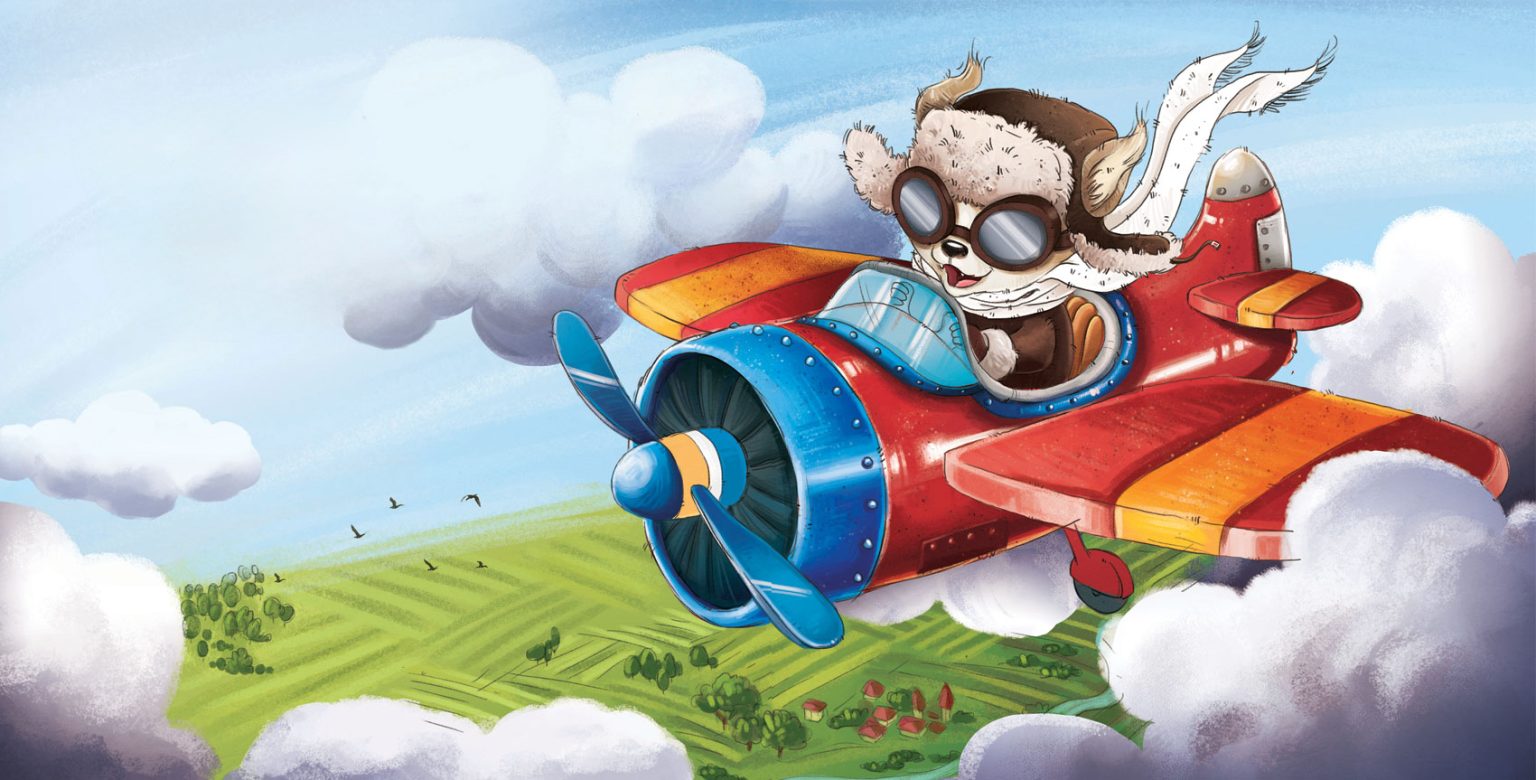
The Gift of Reading: A Blog Series for Parents, Grandparents, and Everyone Who Loves a Child Books are the oldest gift we give our children — older than toys, older than school, older than organized childhood itself. Long before a child can read a single word, a story read aloud plants something in them that
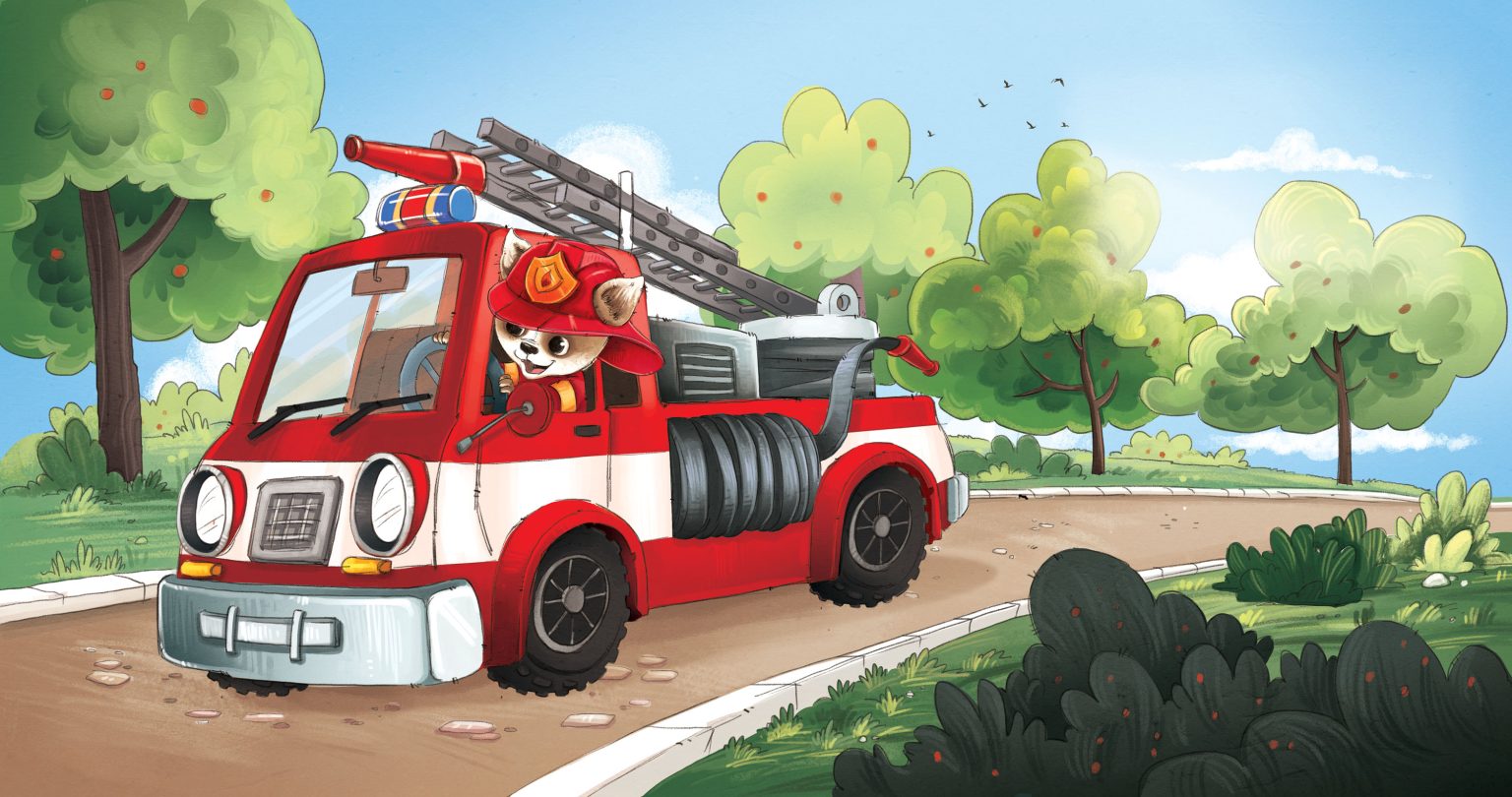
There is a moment familiar to any parent who reads aloud: the child goes still. The fidgeting stops. The eyes focus somewhere past the ceiling, following the story inward. In that moment, something is happening that no screen can replicate, no lesson can teach, and no shortcut can buy. A mind is opening. Reading aloud
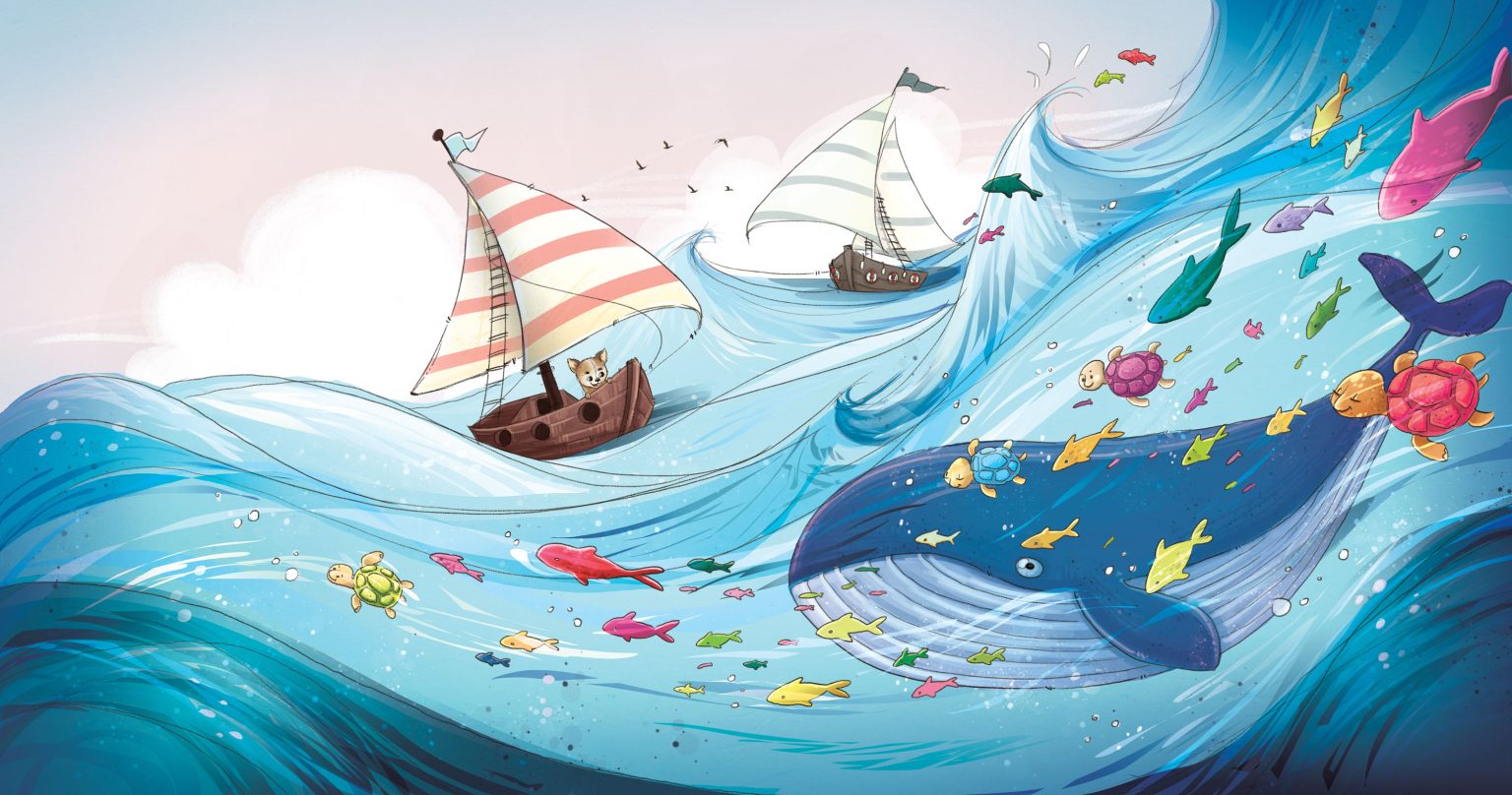
Every child, somewhere between ages three and seven, begins to notice that not everyone looks the same, speaks the same, or lives the same way. This is a moment of enormous possibility — or, depending on what children encounter, of early narrowing. Books are the most powerful tool we have for opening that window wide.
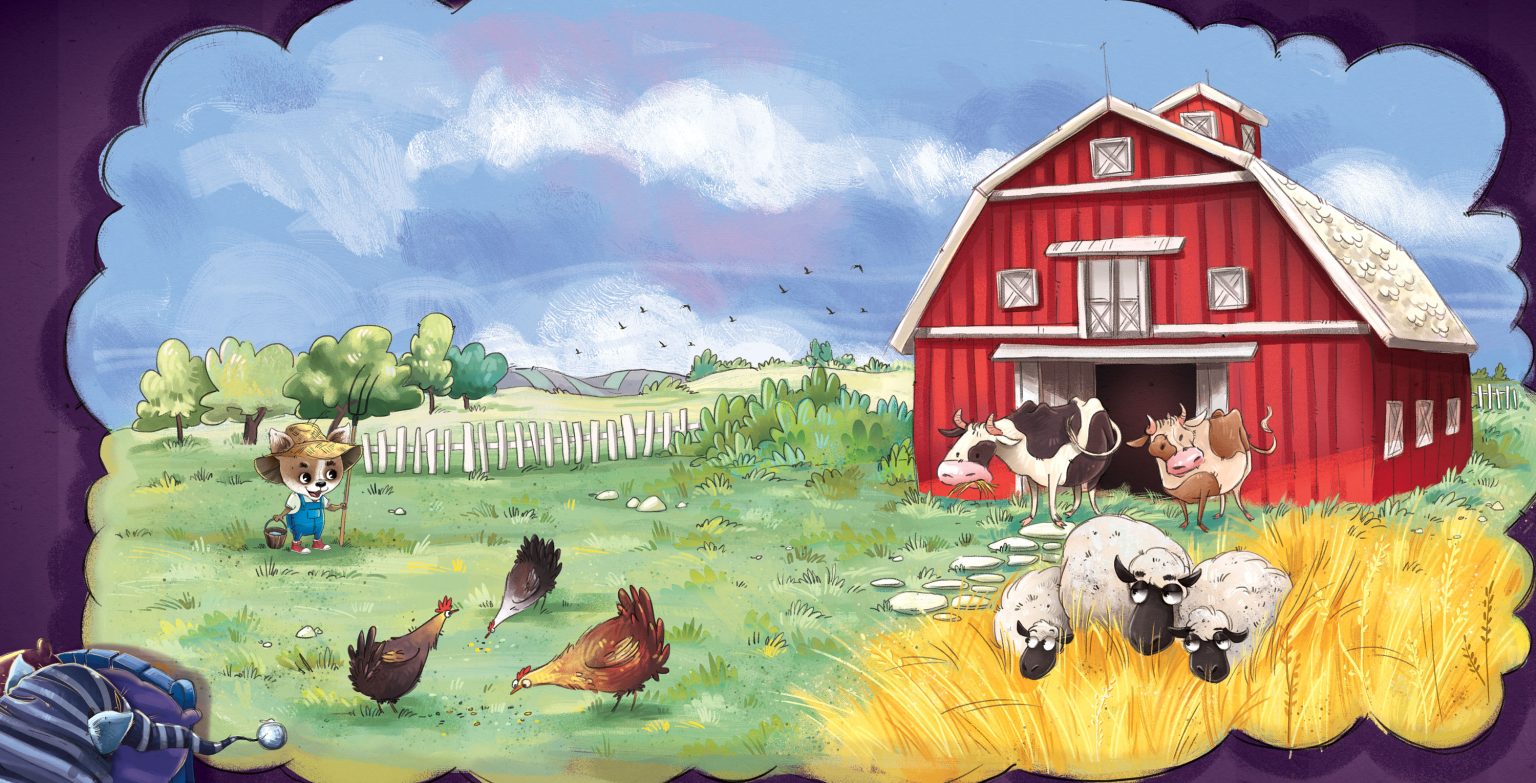
A child who can name what they’re feeling has a measurable advantage over one who cannot. Not just emotionally — academically, socially, in every domain of life. The ability to identify, understand, and manage emotions is called emotional intelligence, and it turns out that reading is one of the best tools we have for developing
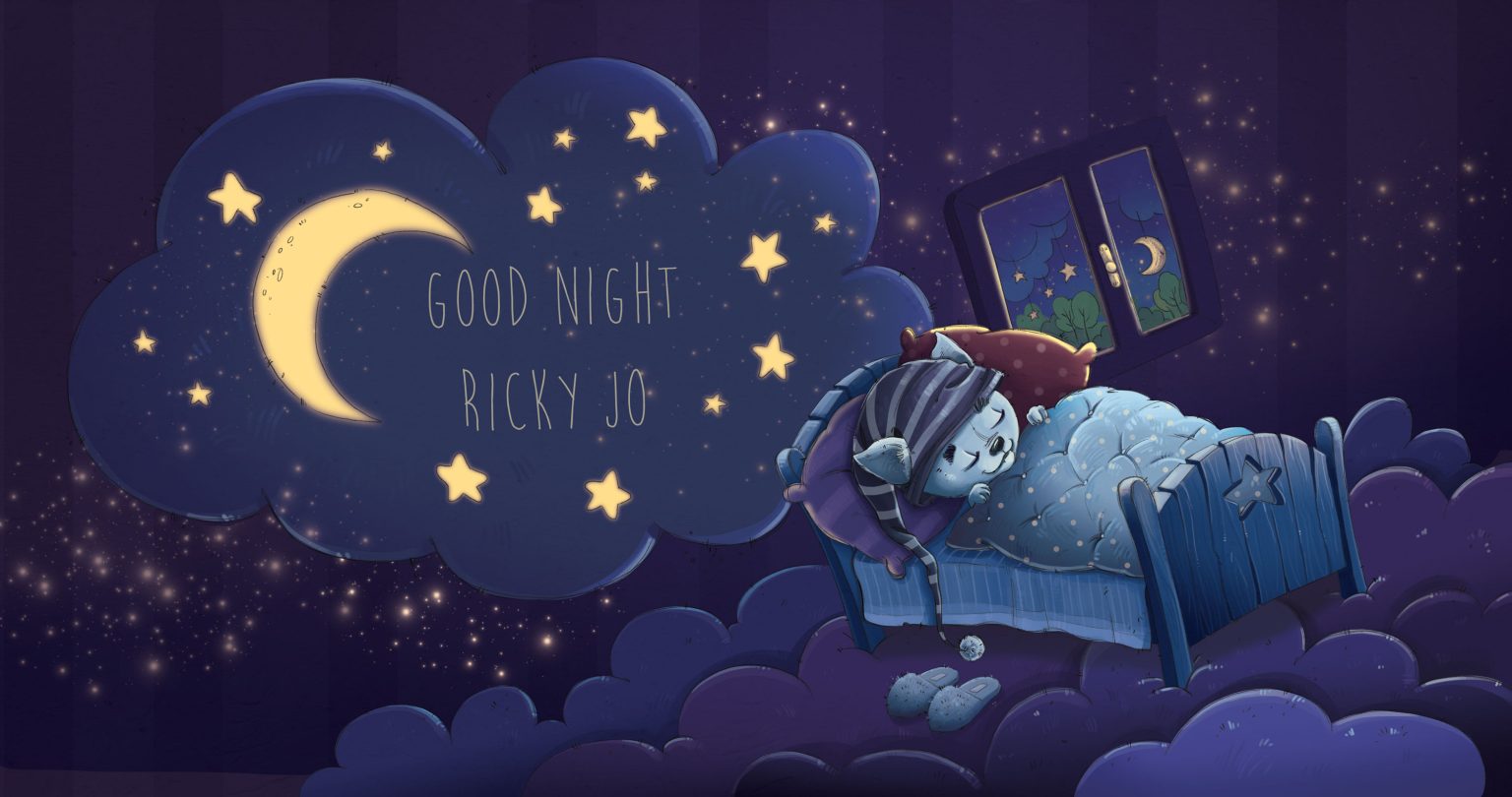
There is a persistent cultural image of bedtime stories as a mother’s domain. She is the one with the soft voice, the patience for repetition, the willingness to do the voices. And while many mothers carry on the read-aloud tradition in their families, research on fathers who read to their children tells a striking story.
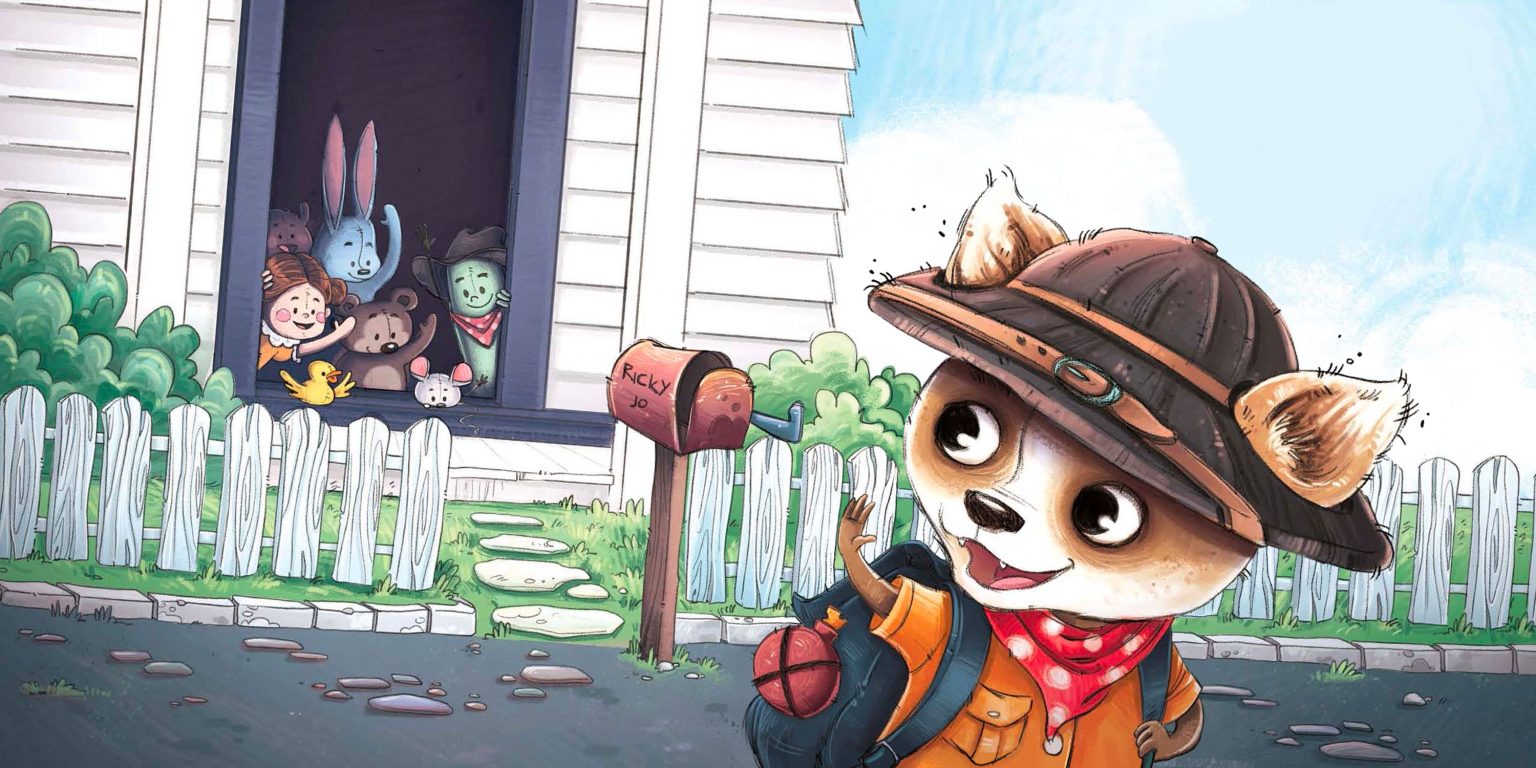
There is something a grandparent’s voice carries that no one else’s can: history. The unhurried cadence of someone who has lived long, loved much, and no longer needs to rush through anything. Children feel this, even when they can’t name it. When a grandmother settles into a chair with a grandchild and opens a book,
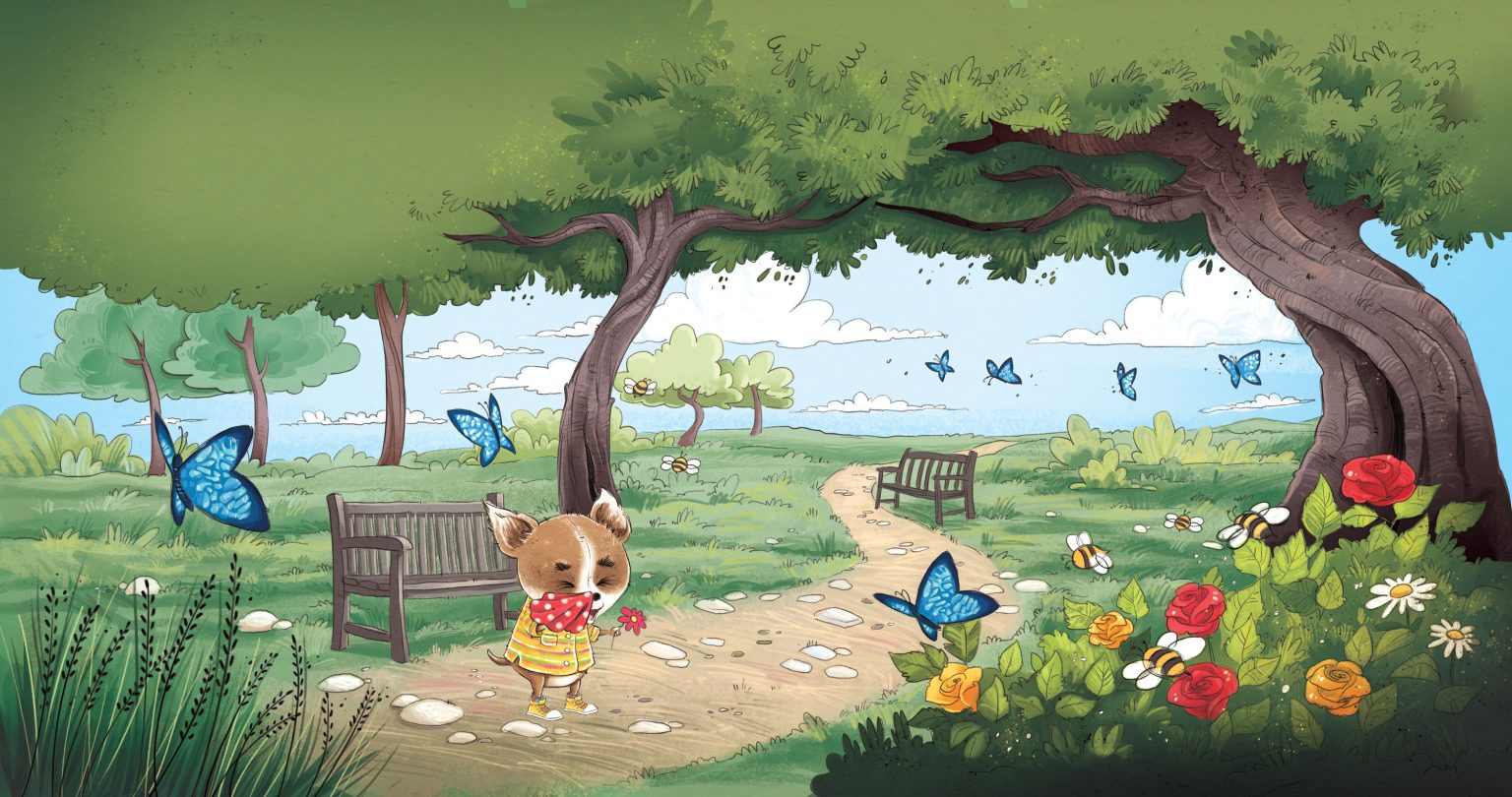
Every child is born with an imagination so vigorous it can turn a cardboard box into a spaceship and a backyard into an uncharted continent. The question isn’t whether children can imagine — it’s whether the world they grow up in will feed that capacity or gradually starve it. Screen-based entertainment, however dazzling, is a
Blogmurdochmktg2026-04-23T12:38:02+00:00